
12 | 2025 Christmas Party
GTL Christmas Party 2025
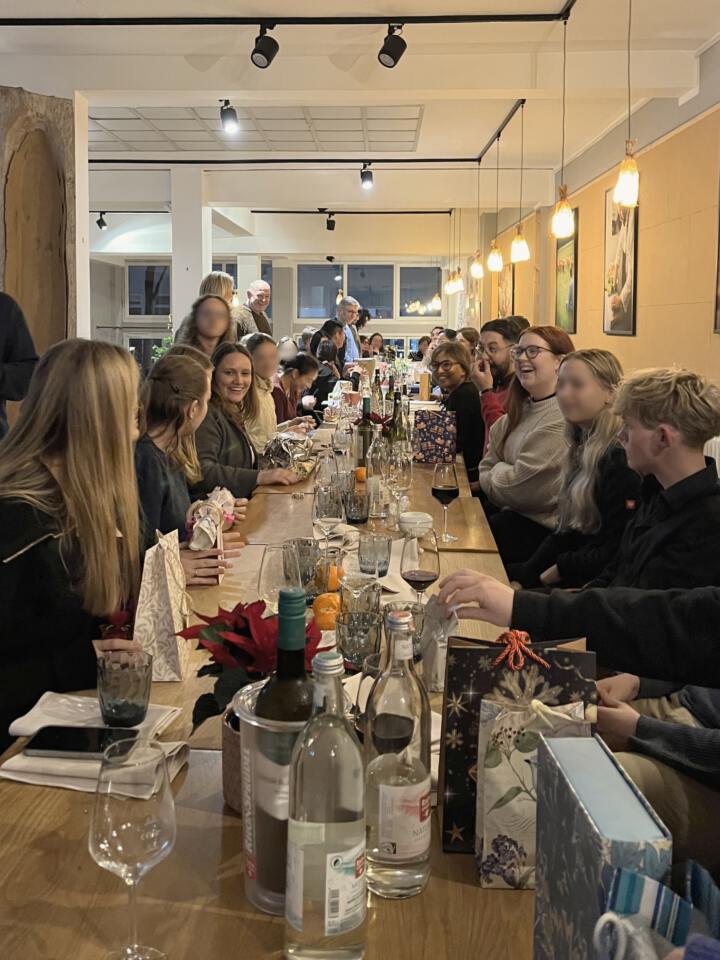
Last Friday, it was that time of year again: our GTL Christmas party was coming up – as always, with our traditional hike. This time, we went to the Bergpark, where we were given an exciting guided tour of the Löwenburg. Afterwards, we hiked on to the castle and took the tram back to the city centre to go to the Biorestaurant Weissenstein. There we were warmly welcomed for the second time and enjoyed a wonderful meal, lots of conversation and a great atmosphere. It was especially nice that colleagues from other locations had also made the trip.
As every year, our GTL Secret Santa was a highlight. Under the motto ‘Home’, the team showed great creativity – from humorous to emotional gifts, regional specialities and personal stories, everything was there.
A big thank you to the entire team for a successful year full of exciting projects, new experiences and many wonderful moments. We look forward to 2026 and the paths we will take together!

01 | 2026 COMPETITION
Open space planning for the Jeetzel riverbank, Amtsgarten park and old cemetery | Lüchow
Recognition
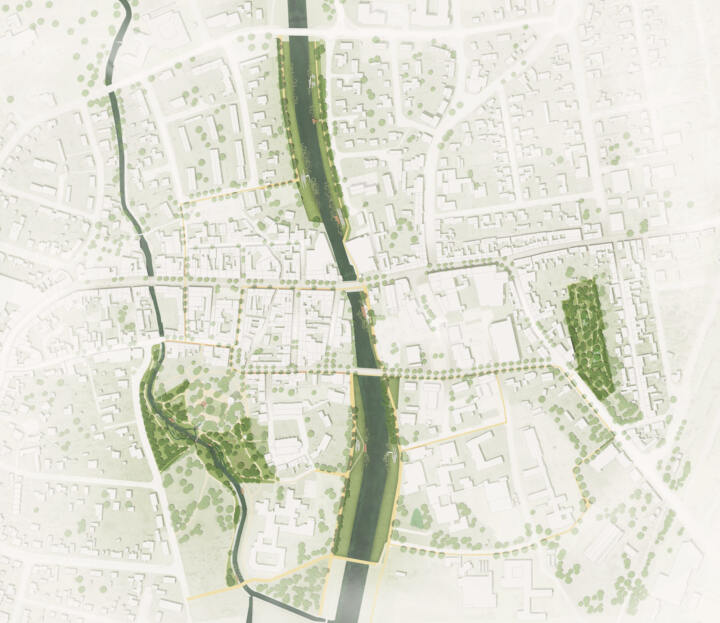
Along Lange Straße, the Amtsgarten, Alter Friedhof and Jeetzelufer form a continuous sequence of inner-city green spaces. A barrier-free path system connects the areas, uniform furnishings provide orientation, and the different landscape characters create diverse atmospheres. Historical, social and ecological qualities are linked, biodiversity is strengthened and new places for encounters and local recreation are created.
The listed Amtsgarten is carefully enhanced with additional paths, recreational and experiential floodplain areas and other elements.
New paths, a small square with a fountain, a sculpture garden and ecological peripheral zones complement the Old Cemetery as a peaceful place of remembrance.
On the banks of the Jeetzel, the river is being integrated more closely into city life with seating steps, wooden decks, barrier-free access and canoe moorings, while planting, flowering meadows and tree-free dyke areas ensure flood protection and ecological functions.
04 | 2026 Training
Paris Excursion 2026
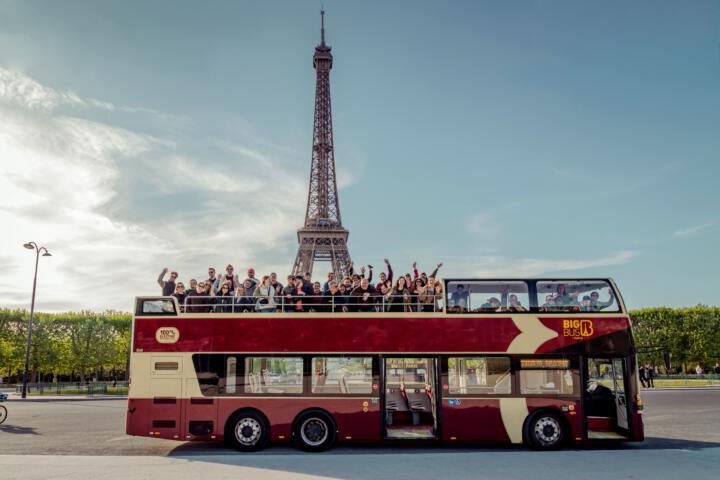
This year’s four-day office excursion took us to Paris – a city we see not merely as a backdrop, but as a living laboratory for urban space, climate resilience and social transformation. For us, Paris thus became a genuine learning environment where key issues in contemporary landscape architecture could be directly observed and discussed.
We deliberately chose the metropolis: as a point of tension between historical identity and the pressing question of how urban open spaces must function in the future. Amidst monumental axes, dense urban spaces and palpable climatic challenges, we were able to experience a variety of approaches to designing public spaces that are more resilient, people-friendly and versatile in their use. It is precisely at this intersection that our professional curiosity lies.
With 55 staff members from five locations, we used the excursion to think ahead about the city together – through intensive exchange, attentive observation and critical dialogue. Paris inspired us not only as a pioneer of modern planning approaches, but also as a source of inspiration for our own work.
09 | 2026 Award
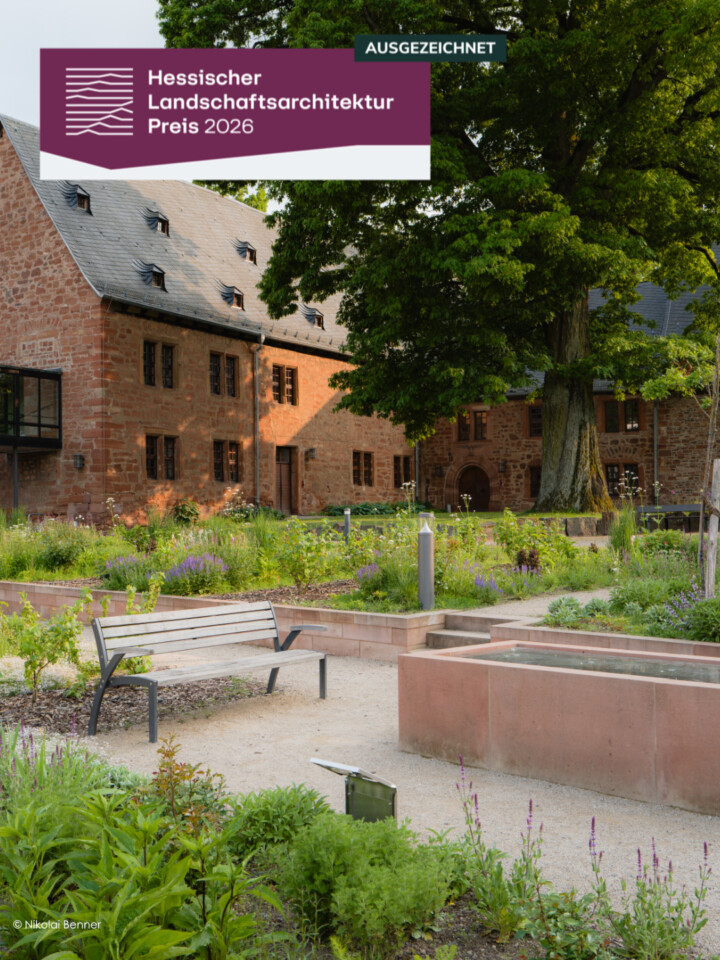
Winner of the 2026 Hessian Landscape Architecture Prize in the category ‘Cultural Landscape and Experiencing Nature’!
We are delighted that our project for the monastery grounds in Frankenberg has received this award. The project has transformed an area previously dominated by traffic into a vibrant open space that uniquely combines history, nature and urban life!
Through the opening up and renaturation of the Nemphe, the restoration of historical spatial relationships and the creation of a diverse wellness garden, the monastery grounds have been given a new identity. The project demonstrates how, through bold decisions, sustainable planning and close collaboration between many stakeholders, valuable spaces for both people and nature can be created. We are particularly proud that this transformation has now been recognised with this award!

09 | 2026 Expansion of the management team
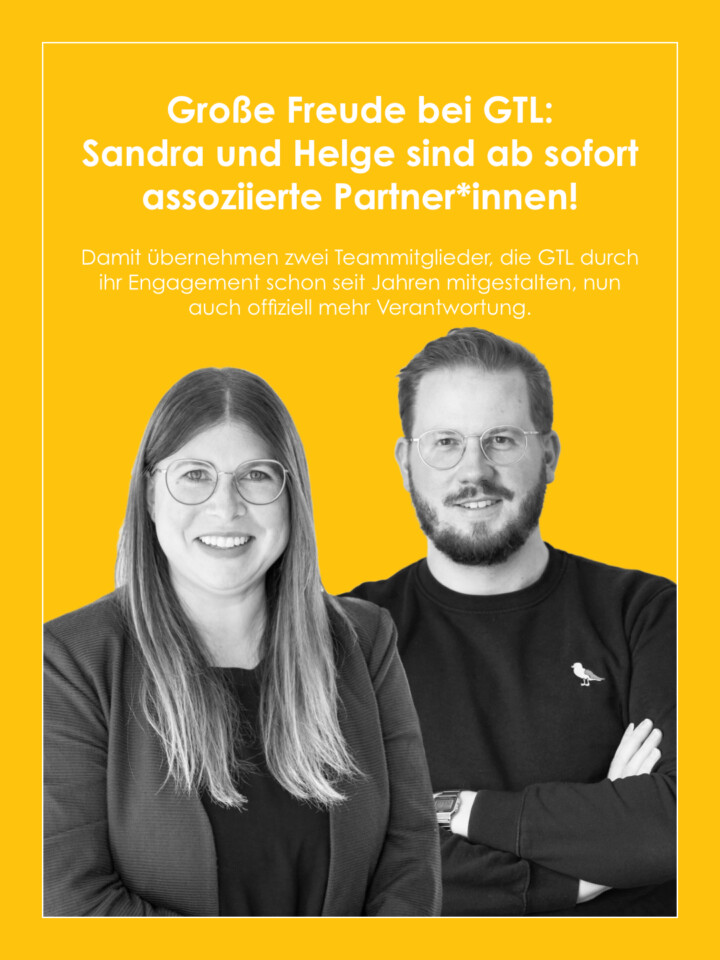
Our leadership team grows!
For us, 35 years of GTL mean one thing above all else: taking responsibility together and making development possible. That is why we are delighted to welcome Sandra from Kassel and Helge from Hamburg as associate partners at GTL.
Both have been shaping our office for years with great dedication, professional expertise and a keen sense of how to create the right kind of space. They take on responsibility, drive forward internal office matters and shape the culture of our working relationships anew every day.
For us, their appointment is a sign of trust, appreciation and a shared future. We look forward to writing the next chapters of GTL’s story as a five-member leadership team.
09 | 2026 Anniversary
35 years of designing open spaces!
We’re celebrating our anniversary!
For 35 years, we have been developing places that bring people together, foster a sense of identity and bring the landscape to life.
What began in 1991 has grown into an interdisciplinary landscape architecture practice with offices in Kassel and Hamburg, a dedicated team and numerous projects throughout Germany and beyond. Over the past decades, we have had the privilege of planning and overseeing town squares, parks, school playgrounds, residential neighbourhoods, corporate sites and landscape spaces – always with the aim of creating places that are functional, sustainable and inspiring.
35 years of GTL stand for continuity and change, for shared ideas, trusting collaboration and the conviction that good open spaces make an important contribution to our society.
We would like to thank all our clients, partners, colleagues and staff who have helped shape this journey with us, and we look forward to the coming years full of exciting projects, new challenges and shared successes.
10 | 2026 Award
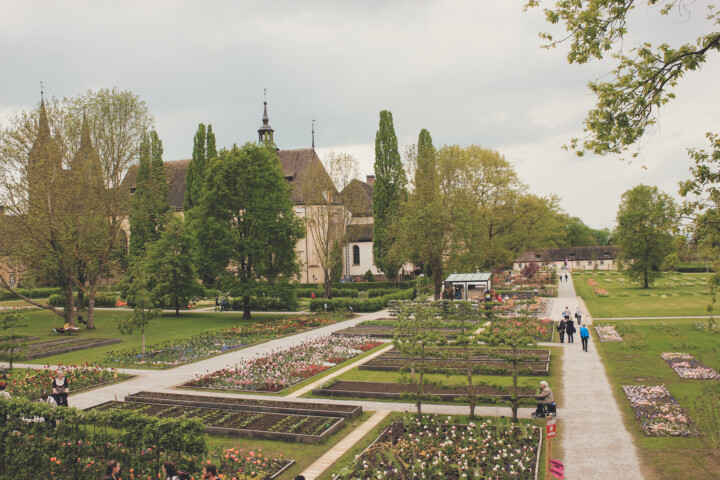
Winner of the 2026 OWL Architecture Award!
The 2026 Ostwestfalen-Lippe Architecture Award recognises an outstanding public space project that uniquely combines history, landscape and urban space. Our warmest congratulations go in particular to the practice @frl_landschaftsarchitektur, which designed this project with its distinctive conceptual and design approach and played a key role in shaping it!
The result is identity-forming open spaces along the historic ramparts, the Weser promenade and in the vicinity of Corvey, which sensitively build on existing features and create new qualities for leisure, relaxation and social interaction.
We were privileged to support the implementation of the project during service phases 6 to 8 and to help turn the planning vision into reality. We are delighted to receive this award and look forward to the newly created open spaces enriching the town of Höxter for years to come.
04 | 2026 Nomination
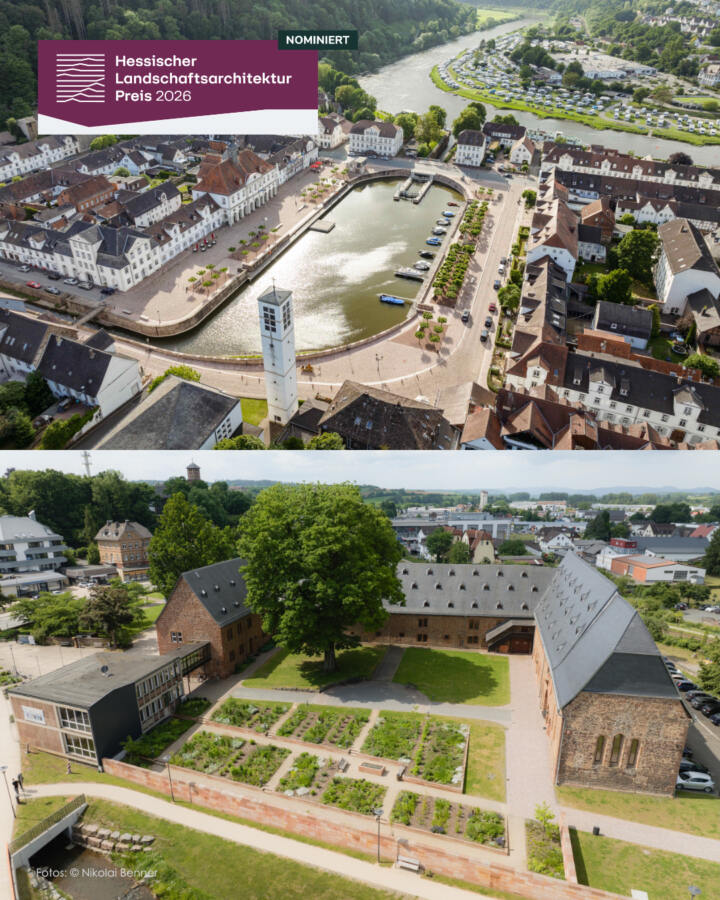
Nomination for the 2026 Hesse Landscape Architecture Award
We are delighted to have been nominated for this year’s Hessian Landscape Architecture Award!
Two of our projects impressed the jury: the harbour area in Bad Karlshafen and the monastery grounds in Frankenberg!
In the first round of selection, a total of 18 projects were nominated from numerous submissions – which makes this recognition of our work all the more meaningful to us.
Both projects exemplify our commitment to sensitively developing historic sites and creating new qualities in public spaces.
03 | 2026 Tilia Award 2026
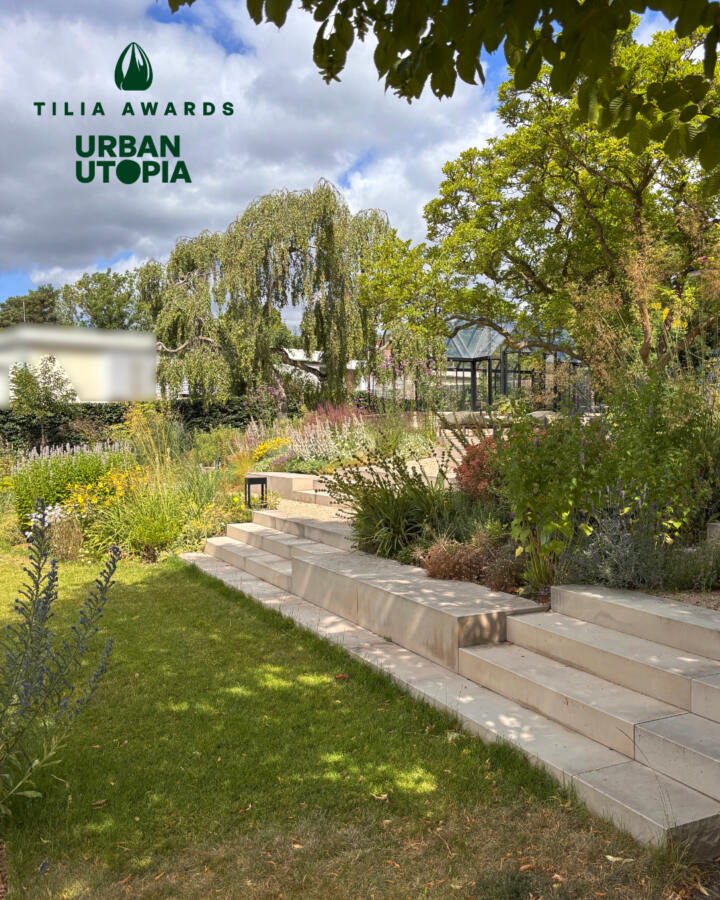
Award | Tilia Award 2026
Category ‘Private Gardens’
What a special day: at the first Tilia Awards ceremony in Berlin, outstanding plant-based projects were honoured – and we are incredibly proud to have won the award in the ‘Private Gardens’ category.
The award recognises projects that demonstrate how plants actively contribute to the creation of sustainable living spaces and highlight innovative approaches in planning, research and practice.
Just in time for the start of spring, around 200 experts, creatives and innovators came together. The diversity of the projects – ranging from urban climate adaptation and community gardens to artistic concepts – highlighted just how relevant plant-based strategies are today.
We are all the more delighted that we were able to impress the jury. We are taking away many inspiring impressions, conversations and new ideas from Berlin and are proud to have been part of this special premiere!
07 | 2026 COMPETITION
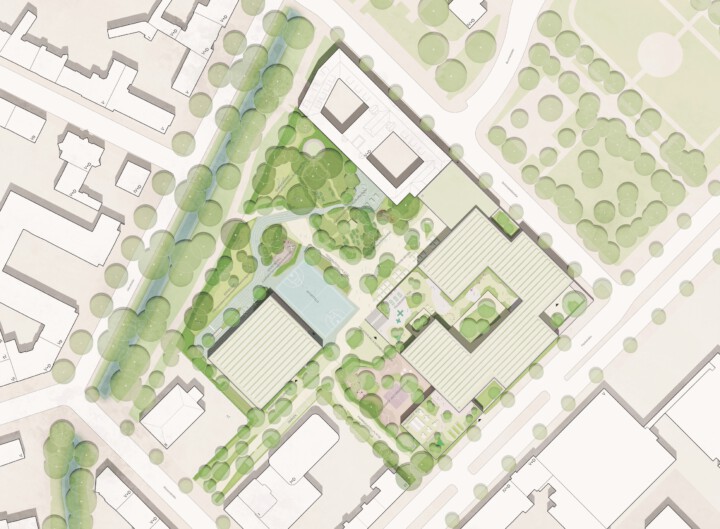
Pankstraße Comprehensive School | Berlin
1st Prize in collaboration with Atelier30 Architekten
The new Pankstraße Community School is conceived as an open, clearly structured educational space within the urban landscape of Berlin-Gesundbrunnen. Running along the street frontage, it forms a precise urban figure with a forecourt that defines the address and a green plinth serving as a transition between the city and the school. Inside, a central, transparent core comprising a break hall, canteen and communal areas organises school life, whilst clearly structured compartments create flexible learning environments. Particular focus is placed on the outdoor spaces: a versatile, green landscape for learning and activity, featuring trees, meadows, play and sports facilities, quiet retreats and terraces, connects architecture and nature. Rainwater management, biodiversity and climate-adapted design make the outdoor space a sustainable, identity-forming component of the overall concept.